
Property viewings can move quickly. Attractive staging, good lighting and conversation with an agent can make it easy to overlook practical details. A viewing checklist gives you a repeatable process for recording what you actually observe.
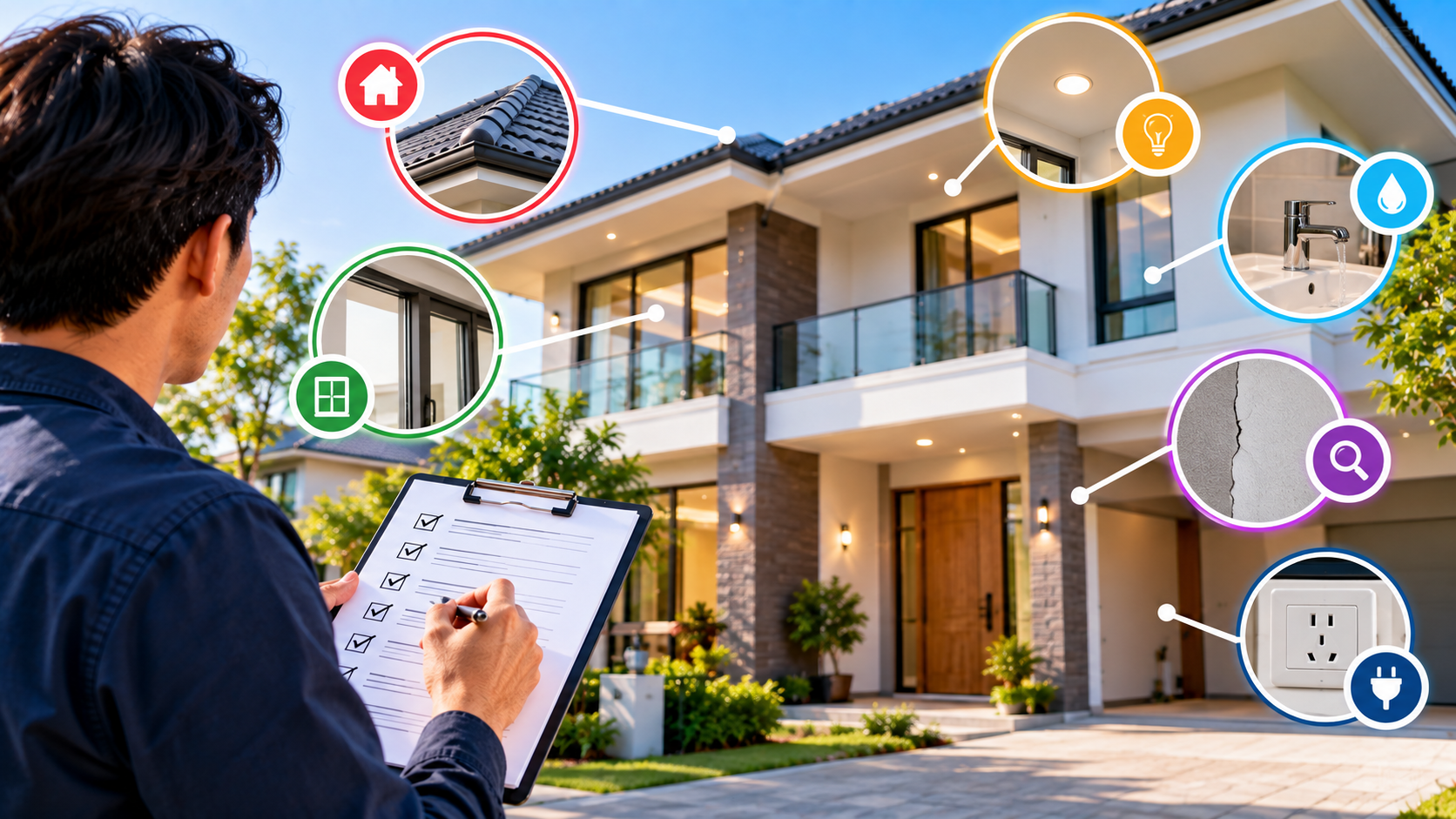
Start outside. Look at access, parking, drainage, exterior walls, roof areas you can see, windows, balconies, boundaries and the general condition of neighboring properties. Note nearby roads, commercial activity, construction and potential noise sources.
Inside, move through the property systematically. Record room sizes, natural light, ventilation, storage, floor condition, walls, ceilings, doors and windows. Look for staining, unusual odors, cracking or signs of previous repairs.
Pay attention to major systems without trying to perform a professional inspection yourself. Note the apparent condition of electrical fixtures, plumbing, water pressure, heating or cooling equipment and visible service areas. Ask about the age and maintenance history of important systems.
Consider how the property works for your intended use. Furniture placement, accessibility, parking, storage and room configuration can matter as much as finishes.
Before leaving, write down questions while the viewing is fresh in your mind. Ask about known defects, renovations, recurring costs, included items, occupancy and documentation relevant to the property.
A checklist is most useful when you use the same structure for every viewing. That makes later comparisons easier and reduces dependence on memory.
Property Education
Property Viewing Checklist: What to Inspect During a Viewing
Use a structured property viewing process to record condition, systems, surroundings and questions instead of relying on memory.
Turn research into a repeatable process.
Explore ToolsExplore practical property checklists, planners and spreadsheets.